
Climate Change & Human Rights
28th June 2023, Room # 25 Palais des Nations by IASPD
Report
Introduction:
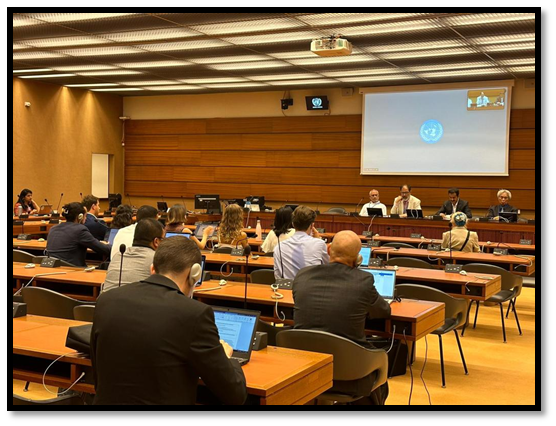
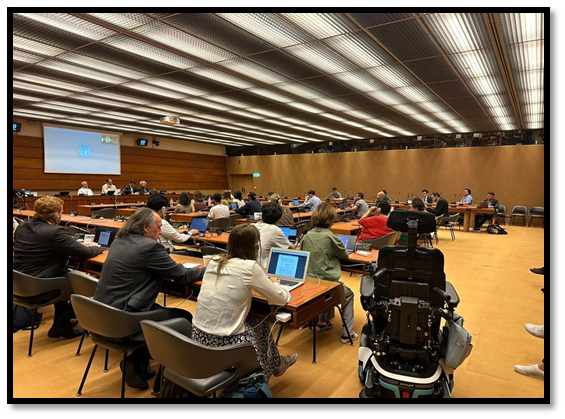
A seminar held in Geneva focused on highlighting the impacts of climate change on human life and the urgent need for a collective response to protect vulnerable populations at risk.
The seminar addressed the planned chopping of thousands of trees by the Modi regime for the construction of a new High Court building in Jammu.
International experts, academicians, rights activists, and diplomats from various parts of the world attended and addressed the seminar.
Key Points Addressed:
- Climate Change and Human Rights:
Speakers emphasized that climate change poses a serious threat to the fundamental rights of individuals and communities, including the right to life, health, food, and livelihood.
They highlighted the various ways in which climate change has affected the lives of people in Kashmir, including fluctuating temperatures, melting glaciers, and incessant rains causing flash floods.
The speakers stressed the need for a global roadmap to tackle the climate crisis and ensure a sustainable future.

- Impacts on Water Resources and Agriculture:
The rising temperatures and water scarcity in Kashmir were identified as significant consequences of climate change.
Water scarcity has adversely affected the agriculture sector, leading to reduced crop yield and disruptions in food supply and access to quality food.
The speakers noted that climate change has had a significant impact on water resources globally, including a decrease in groundwater levels.
They also highlighted the negative effects of climate change on the wetlands of Kashmir, which host a diverse range of bird species.

- Climate Change and Human Rights:
The seminar discussed the unique situation in Jammu and Kashmir, where conflict itself has acted as a driver of climate change.
The concentration of Indian troops in the environmentally fragile region was identified as a major factor causing serious climatic issues.
The military activities, including the presence of troops on the fast-melting Siachen Glacier and along the Line of Control (LoC), were noted to disrupt the natural ecosystem and contribute to the rise in temperature.
The speakers stressed the need to address political issues, such as the Jammu and Kashmir dispute, to forge trust and relationships among communities and address the drivers of conflict and climate change.
Conclusion:
The seminar in Geneva highlighted the urgent need for collective action to address the impacts of climate change and protect vulnerable populations.
The planned chopping of trees in Jammu for construction purposes underscored the environmental concerns that need to be considered in development projects.
The speakers emphasized the importance of a global roadmap to tackle the climate crisis and called for resolution of political issues like the Jammu and Kashmir dispute to address the drivers of conflict and climate change.
It is imperative that governments, international organizations, and communities work together to mitigate the effects of climate change and protect the rights and well-being of individuals and communities worldwide.
